Zebra Nerite Snail
Neritina natalensis
Striped algae-mower that can't overrun a tank · Beginner

- Lifespan
- 1-2 years typical, sometimes 3-5 in hard, stable water
- Adult size
- 2-2.5cm (about 1in) shell
- Min. habitat
- Aquarium 5gal / 19L minimum, mature and algae-bearing
- Social needs
- Not social; keep roughly one per 5-10gal of algae-growing surface
- Diet
- Algae and biofilm grazer; often refuses substitutes
- Time
- Minimal beyond normal tank care
- Cost
- Low
Overview
- The zebra nerite is a thumbnail-sized snail from the coastal rivers and estuaries of East Africa, instantly recognisable by the crisp gold-and-black stripes spiralling around its shell.
- It is widely considered the best algae-eater in the freshwater hobby, rasping even the hard green spot algae off glass that Amano shrimp and most other grazers cannot touch.
- Its defining quirk is that it cannot reproduce in a freshwater aquarium, because its larvae need brackish or salt water to hatch and develop.
- Unlike pond, bladder, or ramshorn snails, a nerite can never overrun a tank, which is exactly why aquascapers trust it.
- Adults reach about 2.5cm (1in) and typically live one to two years, occasionally three or more in hard, stable water.
Housing
- House a zebra nerite only in a mature, cycled aquarium of at least 5 gallons (19L) that already grows visible algae.
- Keep the water at 72-78F (22-26C), hard and alkaline, with a pH of 7.0-8.5 and general hardness comfortably above 6dGH (6-12dGH is ideal), because soft acidic water slowly dissolves the shell.
- Stock lightly, at roughly one nerite per 5-10 gallons, or the tank simply cannot grow algae fast enough to feed them.
- A tight-fitting lid is non-negotiable, since nerites routinely climb above the waterline and will wander out of an open-topped tank overnight.
- Check the tank daily for a snail stranded on its back, because a flipped nerite often cannot right itself on bare glass or sand and will die within a day or two.
- As with all invertebrates, never dose copper-based medications in its tank.
Diet
- Zebra nerites are near-obligate grazers of algae and biofilm, mowing diatoms, green dust, and green spot algae off glass, rocks, and wood around the clock.
- They do not eat healthy plants, which makes them one of the very few snails that are truly safe in a planted aquascape.
- Starvation is the most common way keepers kill them.
- A brand-new or aggressively cleaned tank has nothing for a nerite to eat, and many individuals stubbornly refuse algae wafers, blanched zucchini, and other substitutes.
- Leave at least one glass pane or some hardscape unscraped, and if the tank stays spotless for weeks, move the snail to a greener one rather than hoping it adapts.
Health
- A healthy nerite grips the glass firmly, moves visibly every day, and has a smooth, unpitted shell.
- Shell erosion, seen as white pitting or a worn spire, signals water that is too soft or acidic; the existing damage never repairs, but harder, calcium-rich water stops it progressing.
- Drip-acclimate new snails over an hour or more, as they are sensitive to sudden swings in temperature, pH, or hardness.
- Many nerites die within weeks of purchase, usually from starvation in transit, copper exposure, or being sold as already-old wild-caught adults, so choose active snails gripping the glass and never ones lying loose on the bottom.
- A snail that has sealed shut, has not moved for several days, and smells foul when lifted is dead, not resting.
- Remove a dead snail promptly, because a decomposing nerite can foul a small tank overnight.
Temperament
- Nerites are entirely peaceful and essentially oblivious, gliding over tankmates, shrimp, and plants without interacting with any of them.
- They are not social, so a single snail is perfectly content and there is no welfare reason to keep a group.
- They combine well with the shrimp cleanup crews common in planted tanks, but keep them away from loaches, pufferfish, assassin snails, and large cichlids, all of which eat or harass snails.
- Expect one cosmetic nuisance in that females cement small, hard white eggs onto wood and rock, which never hatch in freshwater and are almost impossible to scrape off.
- A nerite that repeatedly climbs out of the water is telling you something, usually that the algae has run out or the water quality has slipped.
A good fit for
- Mature planted tanks with algae to mow
- Keepers who dread snail population explosions
- Aquascapes — it never eats healthy plants
- Peaceful communities alongside shrimp
- Beginners with an established, hard-water tank
Common mistakes to avoid
- Starving in new or spotless tanks — the top killer
- Soft, acidic water pitting the shell irreversibly
- Climbing out — a tight lid is essential
- Stranded upside down; flip it back or it dies
- Copper medications, lethal to all invertebrates
- Unhatchable white eggs cemented to hardscape
Is your enclosure big enough?
Is this urgent?
In a fish tank the patient is usually the water. Test before you treat — dosing a healthy tank for a disease it does not have makes things worse.
Go now
Today
Soon
Never add a new fish to a tank that is not fully cycled, and never treat blind. A test kit is cheaper than the fish.
This is general guidance for a healthy adult, not a diagnosis. An exotics vet who knows your animal always overrides it — and the time to find one is before you need one.
What it really costs
Setup, monthly, first year and across a whole life, itemised and with the electricity worked out from the actual wattage. Published figures for the same animal disagree by a factor of four, so the calculator shows ranges rather than picking one.
More Freshwater Fish guides

Candy-shelled grazer with a built-in snorkel

Colourful labyrinth fish that lives alone
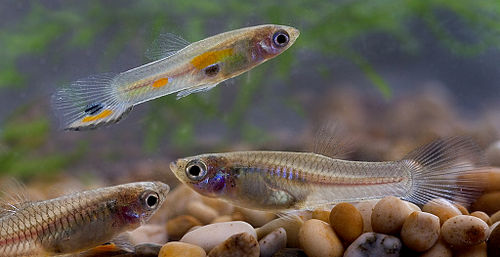
Colourful livebearer that breeds readily

Tiny, colourful livebearer for nano tanks

Hardy, colourful community livebearer

Active livebearer with a bladed tail