Fancy Goldfish
Carassius auratus
Long-lived coldwater pet, not a bowl fishIntermediate
- Lifespan
- 10-15+ years
- Size
- 6-8 in15-20 cm
- Social needs
- Social - keep 5+ together
- Time
- High (heavy feeding, frequent water changes)
- Cost
- High
- Diet
- Omnivore
Overview
What is this animal?
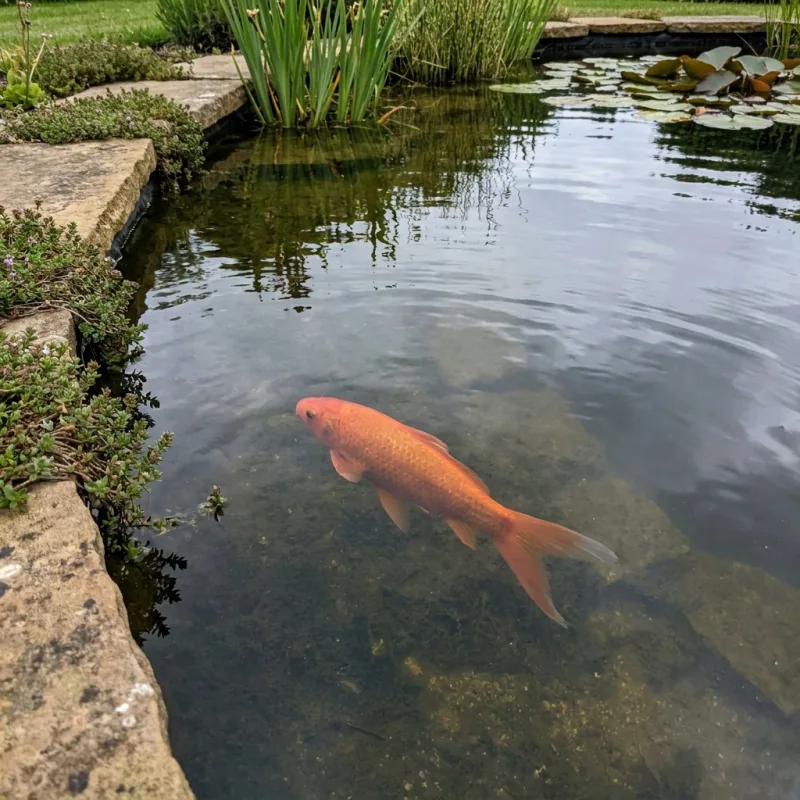
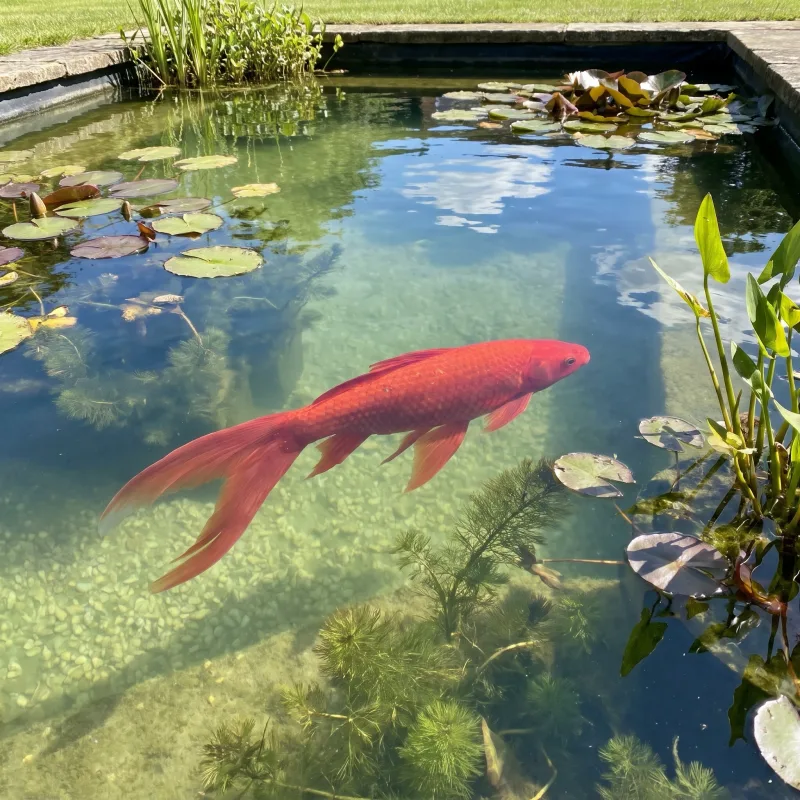
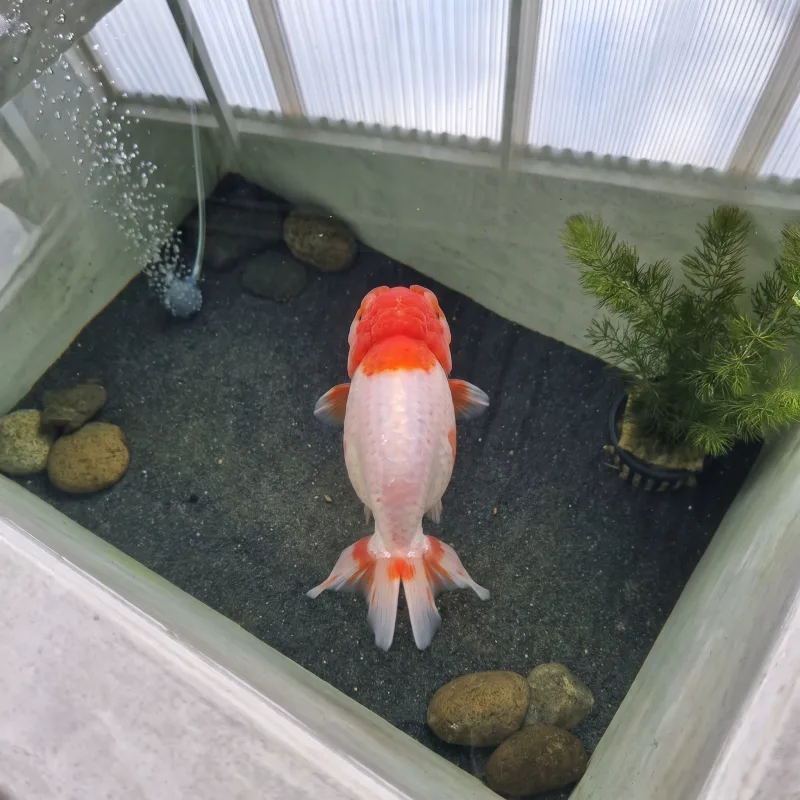
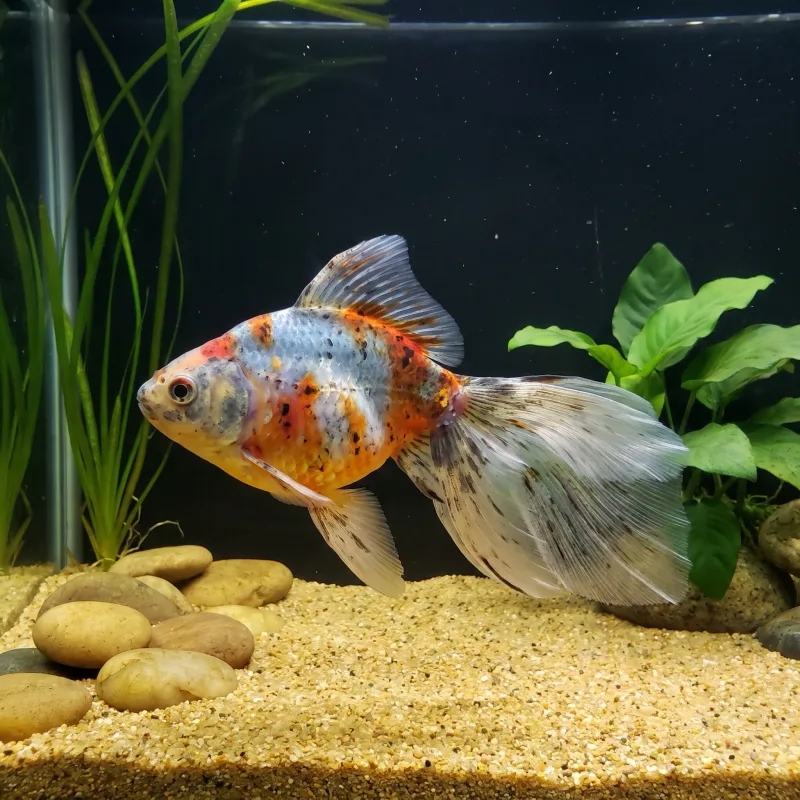
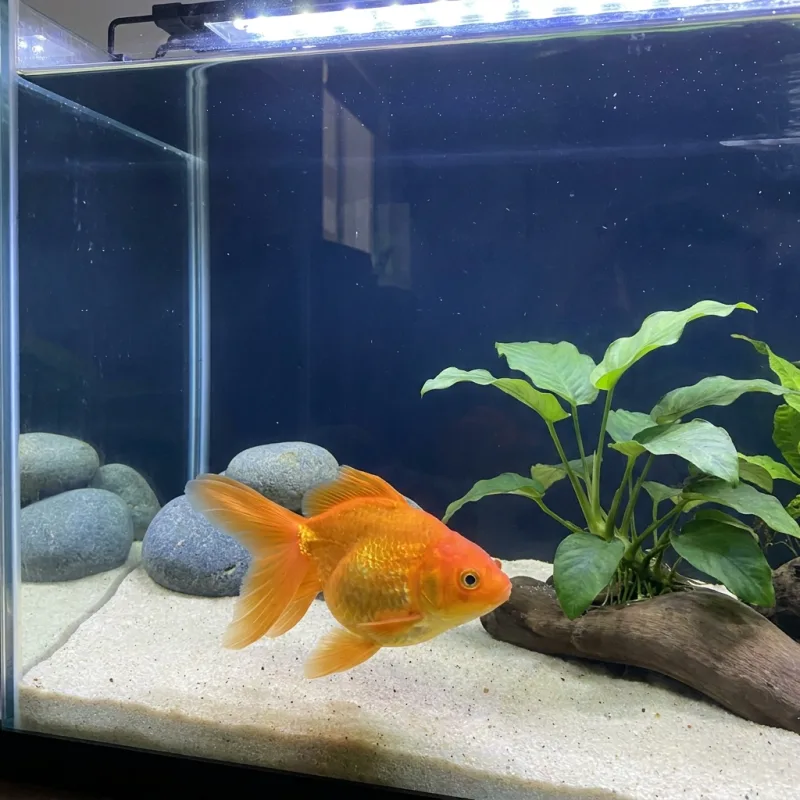
- Fancy Goldfish are the rounded, twin-tailed selectively bred varieties of the goldfish, including fantails, orandas, ryukins, and lionheads.
- They are coldwater fish, interactive with their keepers, and routinely live well over a decade when properly housed.
- They are among the most mis-sold pets in the hobby, often condemned to bowls or tiny tanks that kill them within months.
- Given real space and filtration, they are hardy, characterful, long-term companions.
Temperament
- Fancy Goldfish are peaceful, social, and interactive, often learning to recognise and beg from their keeper.
- They are shoaling fish that should never live alone: keep a group of at least five of similar variety and swimming ability.
Show 2 more
- Do not mix slow fancy types with fast single-tailed goldfish, which outcompete them for food, and avoid tropical community fish, which need warmer water and may nip trailing fins.
- A species-only setup of compatible fancies is the safest and most rewarding choice.
A good fit for
- Keepers wanting a long-lived, interactive pet
- Coldwater (unheated) species setups
- Those with room for a tank at least 6.5 ft2 m long
- People committed to 10+ years of care
Common mistakes to avoid
- Bowls and undersized tanks (a leading killer)
- Overfeeding and floating food causing buoyancy issues
- Skipping the cycle / infrequent water changes
- Mixing with fast single-tails or tropical fish
Enclosure
Minimum 125 gallons480 litres, for a group of 5
Cannot be kept alone. The minimum is 5, and the space above is for that group.
- Despite their reputation, goldfish need large, well-filtered tanks, not bowls.
- Keep a group of at least five in a tank at least 6.5 ft2 m long with at least 24 in60 cm of water depth, about 127 US gallons480 litres or more, with powerful filtration to handle their heavy waste.
- The length is ten times, and the depth three times, the full adult length of the largest fish, so fancies that stay at 6 in15 cm need 59 in1.5 m and 18 in45 cm.
Show 4 more
- A standard 6 ft1.83 m tank is too short; plan for a 7 or 8 ft2.1 or 2.4 m tank or a custom 6.5 ft2 m one.
- They are coldwater fish best kept unheated at 64-73°F18-23°C, so a heater is usually unnecessary.
- Use smooth decor and rounded gravel, avoid sharp objects, and keep nitrate low with large, frequent water changes.
- Their bioload, not their size alone, drives the space requirement.
Supplies
Setup
- Tank and stand, at least 6.5 ft2 m long
- Filter
- Thermometer
- Substrate, plants and decor
- Liquid test kit
- Dechlorinator and starter supplies
Ongoing
- Sinking goldfish pellets or gel food
- Frozen peas (to deshell and blanch)
- Courgette and spinach for blanching
- Veg clip
- Frozen bloodworm or daphnia
Show 2 more
- Small cup for pre-soaking pellets
- Fine net for removing leftovers
Safe substrate: Fine, smooth sand · Smooth, rounded fine gravel (not for loaches or sand-sifting cichlids; sand is better for corydoras) · Bare bottom (quarantine and grow-out only)
Care routine
Daily
- Check temperature and equipment
- Feed a sinking, pre-soaked food
- Head-count and look everyone over
Every few days
- Top up evaporationevery 3 days
Weekly
- Large water change
- Test the water
- Wipe the front glass only
Show 4 more
Every few weeks
- Rinse the filter mediaevery 2 weeks
- Trim and thin the plantsevery 2 weeks
Monthly
- Check supplies and reagent dates
- Replace or recharge chemical media, if you use any (skip it in a blackwater tank)
Health review: Quarterly water and buoyancy review, every 3 months
Tools
Care in depth
Diet
Omnivore
- Fancy Goldfish are omnivores prone to digestive trouble, so diet matters.
- Feed a quality sinking goldfish pellet or gel food as the staple, with plenty of plant matter and blanched vegetables, plus occasional frozen bloodworm or daphnia.
- Avoid floating flakes and overfeeding, both of which contribute to the swim-bladder and buoyancy problems these round-bodied fish are prone to.
- Pre-soaking dry food and offering several small meals reduces gulped air and bloating in deep-bodied varieties.
Health
Signs of good health, and the common problems
- Selective breeding leaves fancy goldfish prone to swim-bladder disorder, buoyancy problems, and, in some varieties, eye and wen complications.
- Most issues are husbandry-driven, with poor water, overfeeding, and dry floating food being the main culprits.
- They are very sensitive to ammonia and nitrite, so a fully cycled tank and frequent water changes are essential.
- Watch for floating, sinking, or tilting after meals, clamped fins, and flicking, and feed a fibre-rich, sinking diet to prevent common buoyancy issues.
Is this urgent?
6 warning signs and how fast to act, 3 of them right away
In a fish tank the patient is usually the water. Test before you treat: dosing a healthy tank for a disease it does not have makes things worse.
Go now
Today
Soon
Never add a new fish to a tank that is not fully cycled, and never treat blind. A test kit is cheaper than the fish.
This is general guidance for a healthy adult, not a diagnosis. An exotics vet who knows your animal always overrides it, and the time to find one is before you need one.
Bedding and substrate
3 safe, 4 with a caveat, 2 to avoid
Substrate in an aquarium is a filter as much as a floor. Most of the biology lives in and on it.
Safe
With a caveat
Never
This is our general list for freshwater fish. We have not built one specific to Goldfish yet.
Top resources for more info
Independent creators and organisations we would send a friend to. We have no affiliation with any of them, and nothing here is sponsored. Links checked 2026-10-22.
YouTubers
Sites
Goldfish, side by side
Same axes, same care guides: the honest way to choose between types.