Angelfish
Pterophyllum scalare
Tall, graceful South American cichlidsIntermediate
- Lifespan
- 8-12 years
- Size
- 6 in15 cm long, up to 8 in20 cm tall
- Social needs
- Group of 5-6+ when young; pairs form bonds
- Time
- Moderate
- Cost
- Medium
- Diet
- Omnivore (flakes, pellets, frozen and live foods)
Overview
What is this animal?
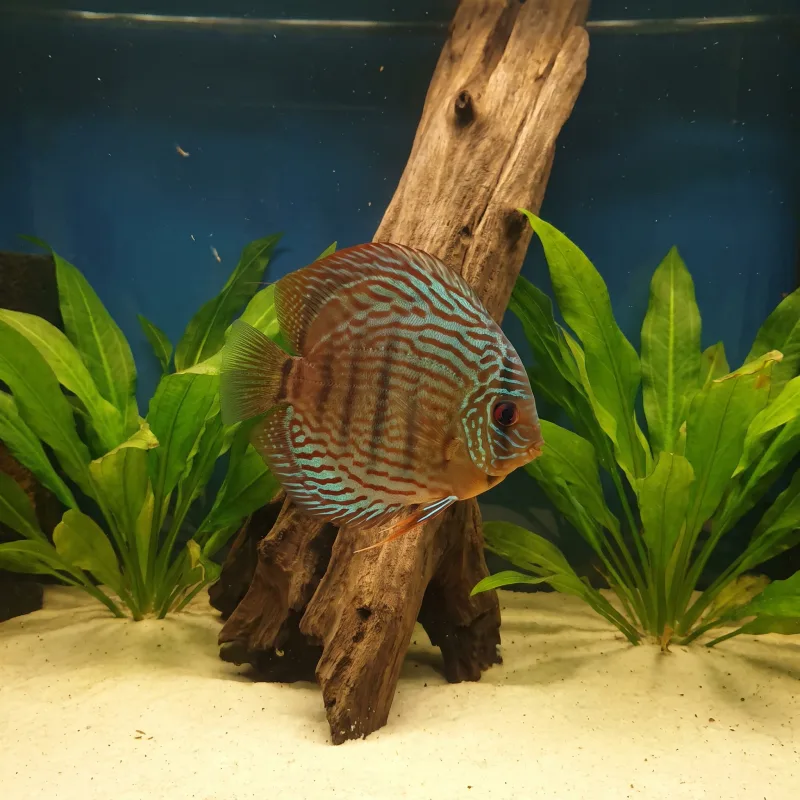
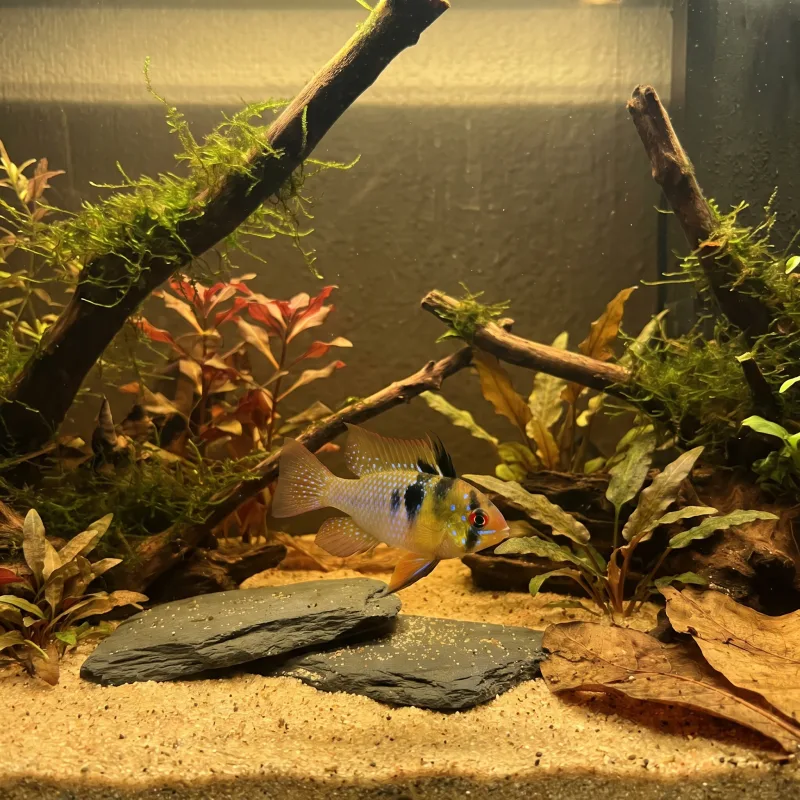
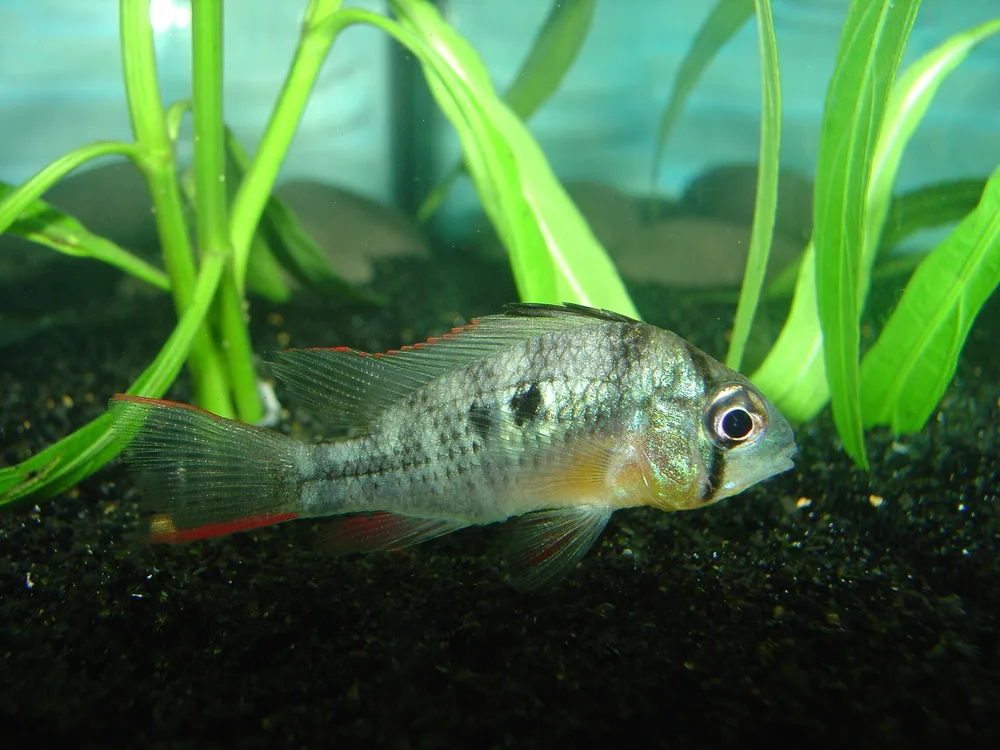
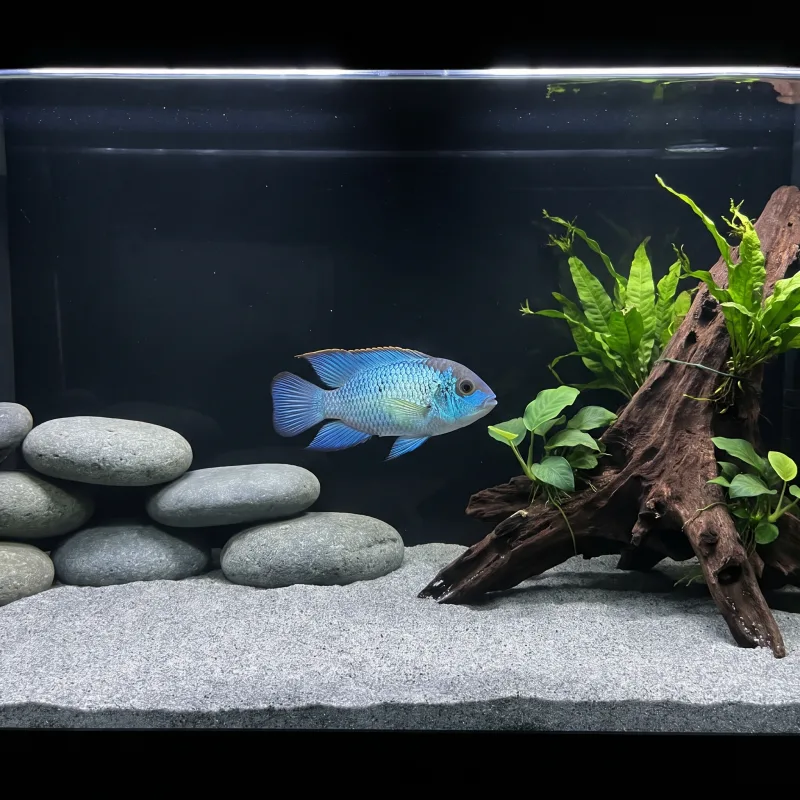
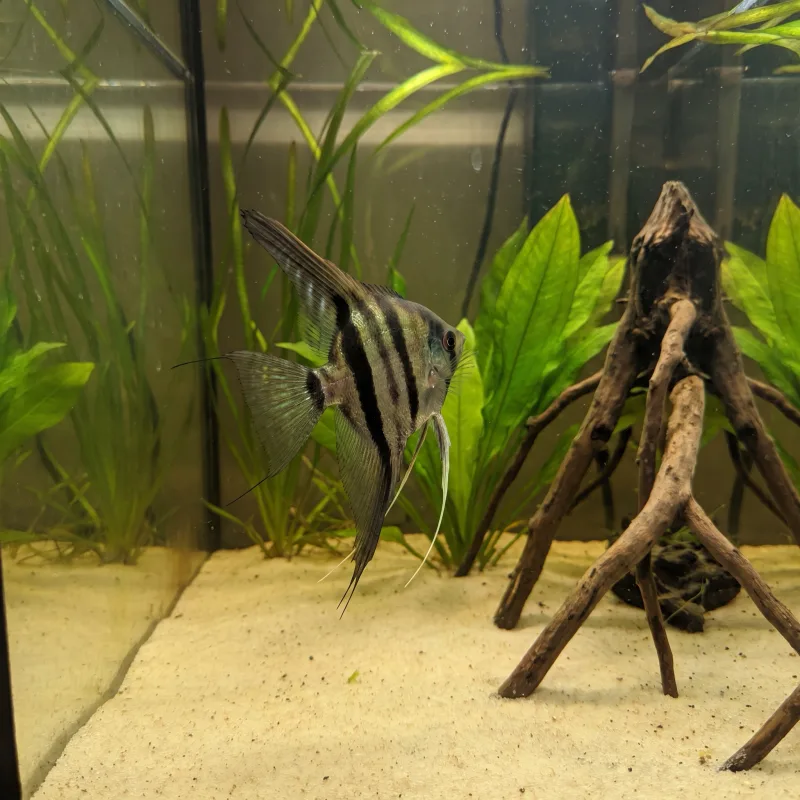
- The freshwater angelfish is a tall South American cichlid from the Amazon basin, known for its laterally compressed body and trailing fins.
- Despite a calm appearance, it is a cichlid with genuine territorial instincts, especially when breeding.
- Angelfish reach around 6 in15 cm long and up to 8 in20 cm tall, so they need a deep tank to accommodate their height.
- They are rewarding intermediate fish that pair-bond and breed readily in the home aquarium.
Temperament
- Angelfish are semi-aggressive cichlids that establish hierarchies and become territorial, particularly when spawning.
- Raising six or more juveniles together lets a natural pecking order and pairs form, which reduces bullying.
Show 3 more
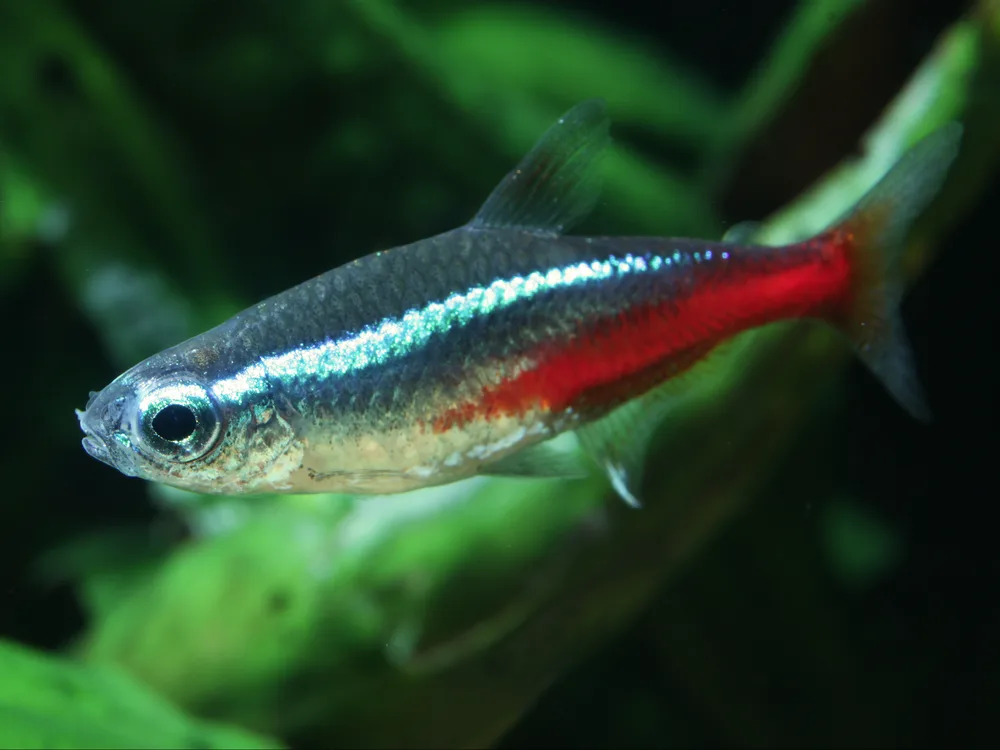
- Avoid keeping them with fin-nippers such as tiger barbs, or with tiny fish such as neon tetras that may be eaten.
- Suitable tankmates include larger tetras, corydoras and peaceful catfish.
- A bonded breeding pair will defend its eggs firmly and may need its own tank.
A good fit for
- Aquarists wanting a centrepiece cichlid
- Keepers interested in breeding behaviour
- Those with a tall, roomy tank
- Community keepers who avoid tiny or nippy fish
Common mistakes to avoid
- Tanks too short for their body height
- Housing with fin-nippers or bite-sized fish
- Underestimating cichlid territoriality when breeding
- Buying many juveniles without space for adults
Enclosure
Minimum 63 gallons240 litres, for a group of 5
Cannot be kept alone. The minimum is 5, and the space above is for that group.
- Provide a tall, well-cycled tank of at least 63 US gallons240 L for a small group, at least 4 ft120 cm long and 20 in50 cm tall, the size Practical Fishkeeping gives for a group; a standard 75-gallon285-litre tank qualifies, and a 55-gallon tank208-litre tank falls short on volume.
- Keep water warm at 77-82°F25-28°C, soft to moderately hard, and slightly acidic to neutral (pH 6.5-7.5), with gentle to moderate flow.
- Decorate with tall plants, driftwood and broad leaves that mimic their flooded-forest home and provide spawning sites.
Show 2 more
- Keep ammonia and nitrite at zero, nitrate low, and perform regular partial water changes.
- Stable, warm, clean water is essential.
Supplies
Setup
- Tank and stand
- Filter
- Heater and thermometer
- Substrate, plants and decor
- Liquid test kit
- Dechlorinator and starter supplies
Ongoing
- Quality cichlid pellet sized to your species
- Tropical flake as a secondary staple
- Frozen bloodworm, brine shrimp and daphnia
- Spirulina or vegetable flake
- Live blackworms for conditioning (optional)
Show 3 more
- Small thawing cup
- Turkey baster for target-feeding shy fish
- Fine net for removing leftovers
Safe substrate: Fine, smooth sand · Smooth, rounded fine gravel (not for loaches or sand-sifting cichlids; sand is better for corydoras) · Bare bottom (quarantine and grow-out only)
Care routine
Daily
- Check temperature and equipment
- Feed
- Head-count and look everyone over
Every few days
- Top up evaporationevery 3 days
Show 8 more
Weekly
- Check territories and pairing
- Partial water change, 25-30% weekly (discus: several changes a week)
- Test the water
- Wipe the front glass only
Every few weeks
- Trim and thin the plantsevery 2 weeks
Monthly
- Check supplies and reagent dates
- Replace or recharge chemical media, if you use any (skip it in a blackwater tank)
- Rinse the filter media
Health review: Quarterly water and territory review, every 3 months
Tools
Care in depth
Diet
Omnivore (flakes, pellets, frozen and live foods)
- Angelfish are omnivores that do well on a varied diet built around a quality cichlid or tropical pellet and flake, supplemented with frozen and live foods such as bloodworm, brine shrimp and daphnia.
- Some plant matter rounds out their nutrition.
- Feed once or twice daily in modest amounts.
- Quality protein supports growth and colour, while variety helps bring fish into breeding condition.
- Avoid relying solely on flake, and do not overfeed, as uneaten food degrades the warm water quickly.
Health
Signs of good health, and the common problems
- Angelfish are generally robust when well kept, but are prone to hole-in-the-head disease, ich, fungal infections and an angelfish-specific virus, often triggered by poor water or stress.
- Watch for clamped fins, loss of appetite and white spots.
- Maintain warm, stable, clean water and quarantine newcomers, as angelfish can carry disease without obvious symptoms.
- A varied diet and low stress keep them healthy.
- Treat ich and parasites promptly, and avoid sudden parameter swings that weaken their immune response.
Is this urgent?
6 warning signs and how fast to act, 3 of them right away
In a fish tank the patient is usually the water. Test before you treat: dosing a healthy tank for a disease it does not have makes things worse.
Go now
Today
Soon
Never add a new fish to a tank that is not fully cycled, and never treat blind. A test kit is cheaper than the fish.
This is general guidance for a healthy adult, not a diagnosis. An exotics vet who knows your animal always overrides it, and the time to find one is before you need one.
Bedding and substrate
3 safe, 4 with a caveat, 2 to avoid
Substrate in an aquarium is a filter as much as a floor. Most of the biology lives in and on it.
Safe
With a caveat
Never
This is our general list for freshwater fish. We have not built one specific to Cichlids yet.
Top resources for more info
Independent creators and organisations we would send a friend to. We have no affiliation with any of them, and nothing here is sponsored. Links checked 2026-10-22.
YouTubers
Sites
Cichlids, side by side
Same axes, same care guides: the honest way to choose between types.